Highlights
Laayoune Beach: Pristine Shores
By Morocco Explorers
7 min read
Laayoune beaches guide: El Marsa and Foum El Oued, the lagoon and kitesurf spots, seafood by the Atlantic, and how to enjoy the deep-south coast safely.

The Laayoune coast is the emptiest beach holiday in Morocco: a string of Atlantic sand between the city and the desert, with two easy destinations — El Marsa (Laayoune Plage) to the west and the Foum El Oued lagoon to the south. Both are 20 to 30 minutes from town; both offer cool water, constant wind, fresh seafood and horizons with almost nobody on them. October to May is the season, and the light at sunset is the reason photographers come south.
This guide covers the beaches and how to enjoy them safely — written by the local team at Morocco Explorers.
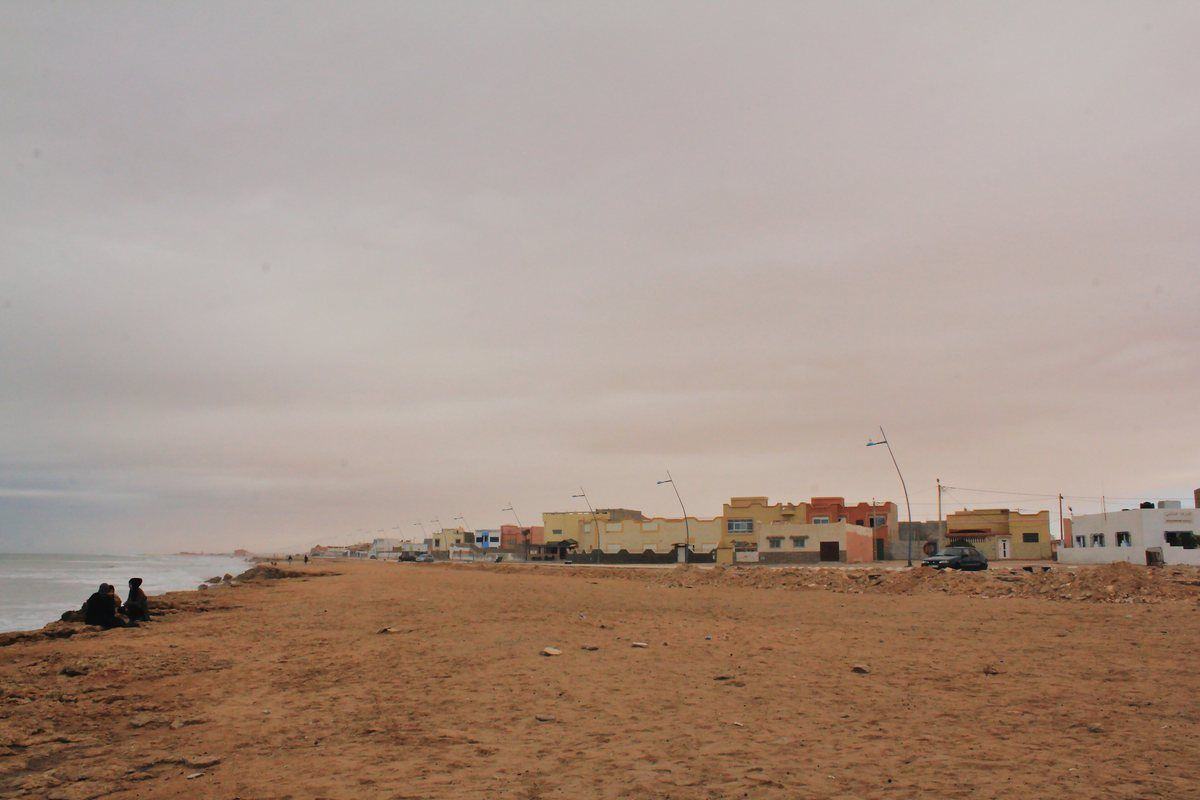
This is not a resort coast; it is a wild one. The Atlantic here is cooled by upwelling, the wind blows most of the year, and beyond the last café the beach simply continues, empty, for kilometres. Come for wide skies, long walks, kitesurfing on the lagoon, and fish grilled where it was landed. Come also with respect: the ocean is stronger than it looks, and there are no lifeguards on the open stretches.
West of Laayoune, El Marsa — known locally as Laayoune Plage — is where the city goes to breathe. A long beach of pale sand runs beside low cliffs and dunes, with simple restaurants serving grilled fish and a laid-back weekend scene. It is easy to reach by taxi, easy to walk for hours, and the sunsets over the water are spectacular. Swimming is possible but the water is cool and the current can be strong — watch how locals do it and stay in the shallows.
South of the city, the Sakia El Hamra meets the Atlantic at Foum El Oued, creating a lagoon of calmer, flatter water behind the dunes. It has become a quiet base for kitesurfing and windsurfing, with schools and beach cafés in season, plus birdlife in the estuary for those who walk quietly. The atmosphere is slower than El Marsa: sand, tea, wind and water.
If you ride, the winter and spring winds are the attraction; if you do not, bring a book, walk the lagoon edge and watch the riders. See our Dakhla guide for the bigger kite destination further south.
| Season | Weather | Notes |
|---|---|---|
| October–November | 22–27°C | Ideal: warm days, cool evenings, clear light |
| December–February | 18–23°C | Mild days and cold evenings; wind comes in spells |
| March–May | 22–28°C | Prime kite season: steady trades and comfortable temperatures |
| June–September | 25–32°C | Warm and windy; the ocean stays cool, so swimming is bracing |
Water temperatures stay low year-round — a wetsuit is normal for riding and a light layer welcome on the beach even in summer.
We arrange private drivers, beach days and kitesurf logistics along Morocco's Atlantic deep south, from Agadir and Laayoune to Dakhla. Browse our Morocco tours or start from our Agadir guide and Sahara guide — and tell us your dates.
Laayoune beach is quiet and exposed. Bring everything you need, respect the dunes and wildlife, and go with a local driver.
Yes — El Marsa, the city beach, has long pale sand and seafood restaurants, and the Foum El Oued lagoon south of town offers calmer water, kitesurfing and quiet walks.
Yes, but carefully: the Atlantic is cool, currents can be strong and there are no lifeguards on the open stretches. Stay shallow, watch local practice and never swim alone.
The lagoon at the mouth of the Sakia El Hamra, popular for kitesurfing and windsurfing thanks to flat water and reliable wind, with beach cafés and estuary birdlife.
El Marsa and Foum El Oued are both about 20 to 30 minutes by road from the centre, easily reached by taxi or car for a half- or full-day trip.
Yes — the wind blows much of the year, which is why Foum El Oued has become a kite spot. The upside is mild temperatures; bring a windbreaker and a wetsuit if you plan to ride.
October to May for mild, clear days, with March to May the best for wind sports. Summer is warm but the ocean stays cool, so swimming is bracing rather than tropical.
Water, sun protection, a windbreaker, cash for food and taxis, and shoes for walking on dunes and stony ground. Facilities are limited outside the main cafés.
Yes — a morning in the Laayoune market and Mechouar square, then an afternoon and sunset at El Marsa or Foum El Oued, makes a perfect deep-south day.
Hero photo: Nassima Chahboun · CC BY-SA 4.0 · Wikimedia Commons