Highlights
Dar Batha Museum: Art & Crafts
By Morocco Explorers
7 min read
Dar Batha Museum guide: the 19th-century Fes palace turned museum of Moroccan arts and crafts, its ceramics, wood and textiles, and the Batha gardens beside it.

Dar Batha is a 19th-century palace that became one of Morocco's first museums: built for Sultan Hassan I at the end of the 1800s, it now displays the arts and crafts of Fes — blue ceramics, carved cedar, wrought iron, textiles and jewellery — in the rooms and courtyards of the palace itself. It sits on Place Batha between the medina and the new city, and 45 to 60 minutes is enough. Next door, the Batha gardens offer one of the medina's easiest green pauses.
This guide covers what is inside and how to combine it with the medina — written by the local team at Morocco Explorers.
After the intensity of the souks, Dar Batha is a breath: a palace of quiet courtyards where the best of Fassi craft is gathered and labelled, from the blue-and-white ceramics that made Fes famous to painted wood, brass and silk. It is also a chance to understand what you have been seeing in the workshops — the museum explains the techniques and the history behind the objects on sale in the medina.
Sultan Hassan I built Dar Batha at the end of the 19th century as a palace for receptions and summer stays, and it later served the French protectorate for official ceremonies. In 1915 it was converted into a museum of arts and traditions — one of the oldest in Morocco — and its rooms were fitted out to show the crafts of Fes and the wider region. The palace garden, with its tall trees and shaded paths, became the public Jnan Batha beside it.
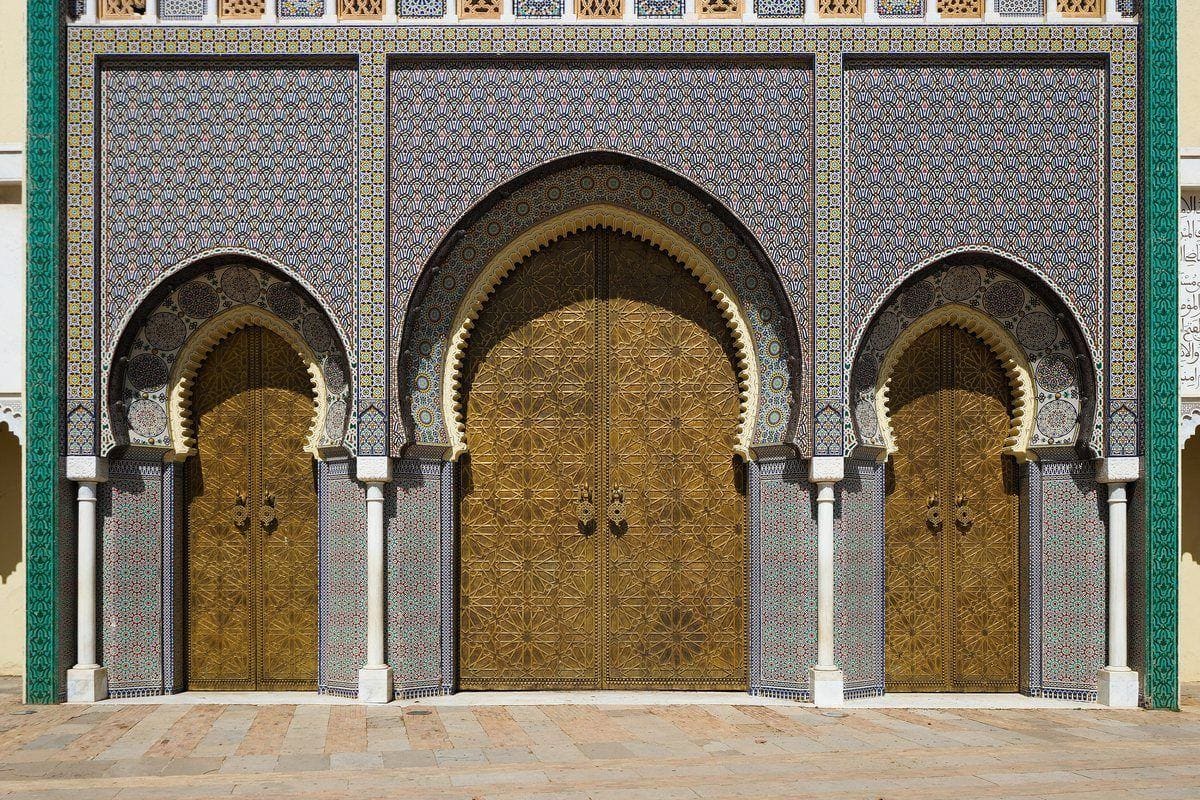
Before the exhibits, look at the building: courtyards of zellige, carved plaster and cedar, and the calm proportions of a palace built for hospitality. The transition from the street to the inner courts is the best part of the visit.
The blue-and-white pottery of Fes is the city's signature craft, and the museum shows it across centuries — plates, bowls, tiles and the distinctive cobalt patterns that travel home in every suitcase. Compare the museum pieces with the workshops' work in the souks.
Carved cedar doors and screens, painted ceilings, wrought-iron lamps and grilles, embroidered textiles, kaftans, carpets and silver jewellery fill the rooms — a catalogue of what the medina still makes.
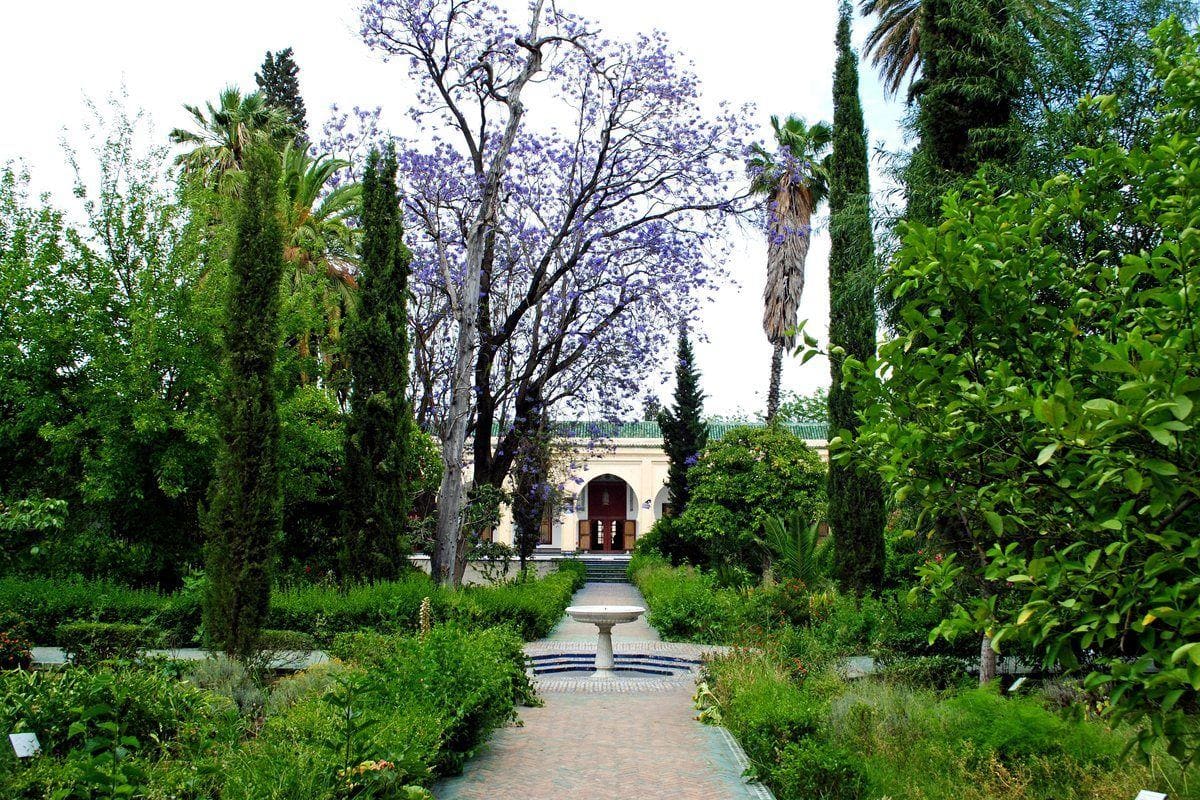
The palace's own garden is an Andalusian composition of water, citrus and shade; the adjacent public Batha gardens are larger, with a café where locals read and talk. Both are ideal for a slow hour.
Dar Batha stands on the edge of UNESCO-listed Fes el-Bali — the Medina of Fes. For the full city, start from our Fes guide.
| Season | Weather | Notes |
|---|---|---|
| March–May | 17–26°C | Ideal: gardens at their best and comfortable city walking |
| June–August | 30–38°C | Visit in the morning; the museum and gardens are the coolest pause |
| September–November | 20–30°C | Excellent: clear light on the ceramics and warm garden afternoons |
| December–February | 10–18°C | Quiet and cool; a good indoor day if it rains |
Ramadan changes museum and garden hours; check locally and plan around prayer times.
Our licensed guides include Dar Batha in medina and museum mornings, and we arrange private drivers to Place Batha. Book an imperial cities tour from Fes or browse all Morocco tours — and tell us your dates.
Dar Batha is a calm break from the medina. See the craft collection, then sit in the garden with a book or a mint tea.
Yes, especially as a calm, informative pause between the souks: a 19th-century palace showing the best Fes ceramics, wood, iron, textiles and jewellery, with gardens next door.
Collections of Moroccan arts and crafts — blue-and-white Fes ceramics, carved cedar, painted wood, wrought iron, embroidered textiles, kaftans, carpets and silver jewellery — in the rooms and courtyards of the palace.
Sultan Hassan I built it at the end of the 19th century as a reception palace; the French protectorate used it for ceremonies, and in 1915 it became one of Morocco's first museums of arts and traditions.
Forty-five to sixty minutes for the collection and courtyards; add an hour for the Batha gardens and a café. Mornings are the quietest.
The public Batha gardens beside the museum are free or low-cost and open daily; they are a favourite local spot for a walk and a coffee. The museum ticket is separate and modest.
On Place Batha, at the edge of the medina between Fes el-Bali and the new city, about five minutes on foot from Bab Boujloud and the main medina routes.
Generally yes, without flash, though some pieces or rooms may be restricted. Follow the signs and keep voices low in the exhibition rooms.
Bab Boujloud and the Bou Inania Madrasa are minutes away, and the medina routes, Al Quaraouiyine, the tanneries and Fes el-Jdid's royal palace gates are all within a walk or short taxi ride.
Hero photo: just_a_cheeseburger · CC BY 2.0 · Wikimedia Commons