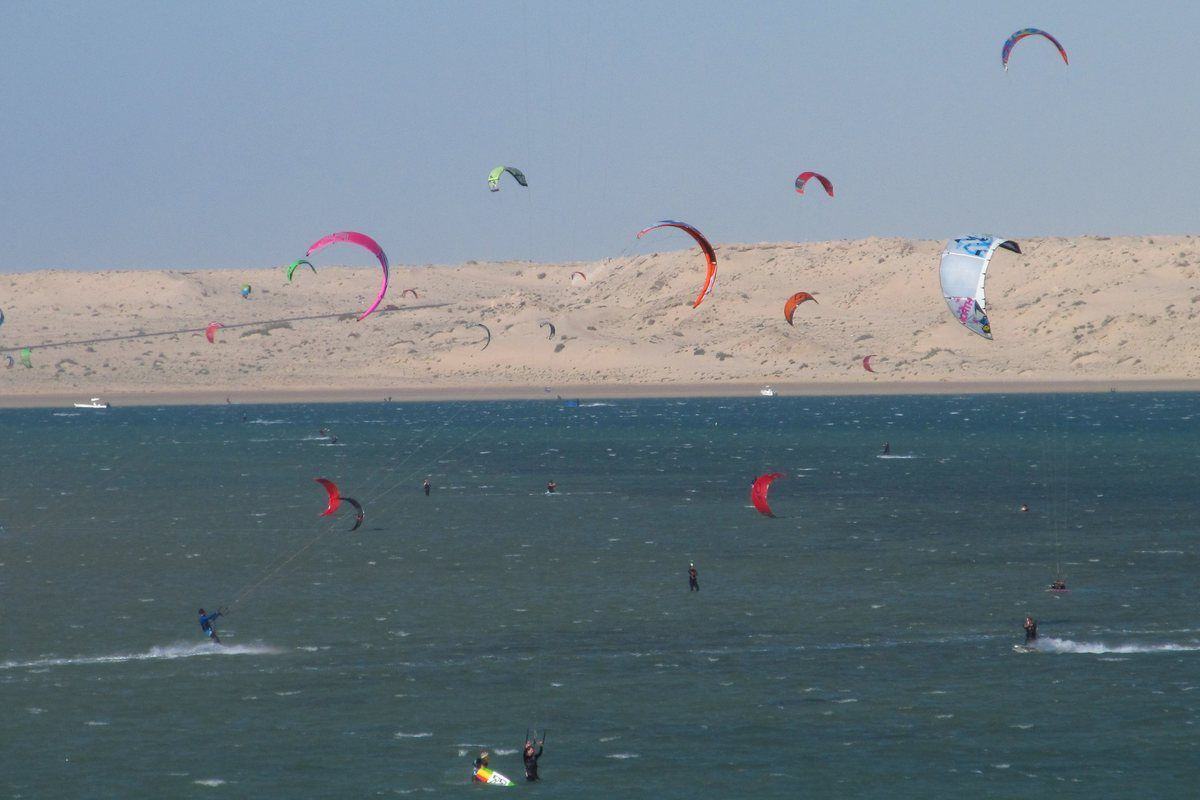
Dakhla is Africa's kitesurfing capital: a small city on a long peninsula in Morocco's far south, wrapped around a giant lagoon of flat, shallow water where the trade wind blows almost every day. Riders come for the lagoon, but there is more: the White Dune, Dragon Island and its birds, oyster farms, desert on the other side of the road and skies without light pollution. The wind season runs from February to September; for non-riders, October to May is lovely.
This guide covers the lagoon, the bay and how to get down here — written by the local team at Morocco Explorers.
Why Dakhla
Geography made Dakhla special: a narrow peninsula encloses a bay of some 400 square kilometres, protected from the ocean swell, while the trade wind funnels between the dunes. The result is butter-flat water and reliable wind — perfect for kitesurf, windsurf and wing foil, and among the best learning conditions in the world. The town itself is small, relaxed and proudly Saharan, with fishing boats, tea houses and a growing food scene built on the bay.
- The lagoon — flat, shallow and windy: the reason riders fly down from Europe all winter.
- The bay — a Ramsar-listed wetland with islands, birdlife and oyster farms.
- The desert side — white dunes, stony plains and camels, minutes from the water.
- The food — oysters, fish and Sahrawi tea at the edge of the Atlantic.
Kitesurf and windsurf in the lagoon
The riding area runs along the lagoon road from around PK25 to PK30 — the local names refer to the kilometre markers — where a string of beach spots offer different wind and water for beginners and experts. The inner lagoon is shallow and flat, ideal for learning; the outer edges and the "speed spot" give stronger wind for advanced riders. Schools and rental centres line the shore, and the season peaks from spring to autumn, though windy days occur all year.
If you do not ride, the same lagoon gives you swimming, stand-up paddle, long walks at low tide and the best sunsets in the region.
What to see around Dakhla
The White Dune
The Dune Blanche is the icon of the bay: a white sand dune reached by 4x4 or boat across the lagoon, with views over the water and the desert. Most excursions combine it with a picnic and a swim; go at low tide for the widest beach.
Dragon Island and the birdlife
Dragon Island (Île du Dragon) is a rocky island in the bay, home to seabirds and surrounded by clear water. Boat trips run from the lagoon; the wider bay is a Ramsar wetland, resting place for waterbirds and, in season, flamingos.
Oysters and the bay
Dakhla's oyster farms grow in the clean waters of the bay, and the town's restaurants serve them fresh — a surprising speciality this far south. Combine an oyster lunch with a boat trip for the classic Dakhla day.
The desert edge
Across the peninsula, the Atlantic side gives wild beaches and surf, while inland the desert begins at the road: dunes, regs and camel herds. Evening excursions for sunset and stargazing are easy to arrange.
Getting to Dakhla
- By plane — Dakhla airport has daily domestic flights from Casablanca and Laayoune, plus seasonal international connections; the fastest way to the deep south.
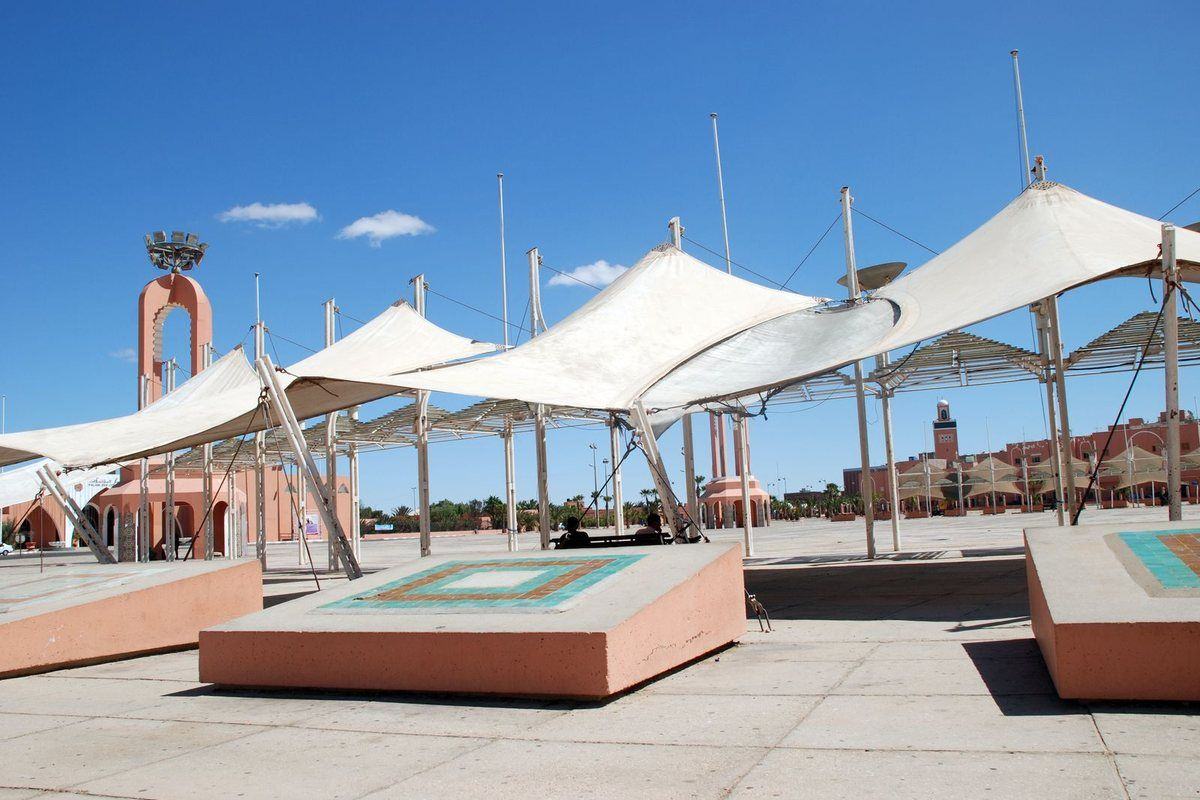
- By road — the N1 continues south from Laayoune for a long desert day; see our Laayoune guide.
- By bus — CTM and other companies run overnight services from Agadir and Laayoune.
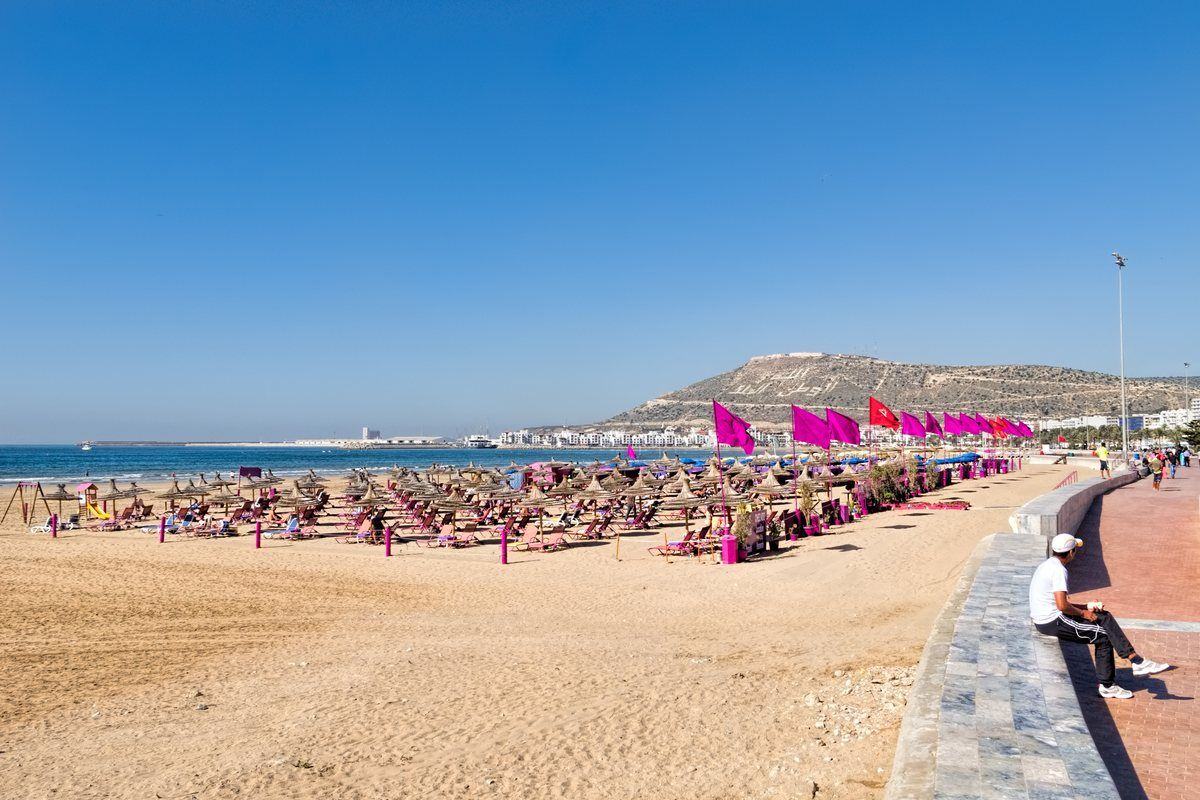
- On a southern loop — combine Agadir, Laayoune and Dakhla for a full Atlantic-desert itinerary; start from our Agadir guide.
When to go: Dakhla by season
| Season | Weather | Notes |
|---|
| February–May | 20–26°C | Prime wind season: strong, steady trades and comfortable temperatures |
| June–September | 24–30°C | Warm and windy; the classic European summer escape |
| October–November | 22–28°C | Lighter wind, warm water days and quiet beaches |
| December–January | 18–24°C | Mild days and cooler nights; wind returns in spells |
Water temperatures stay cool — a wetsuit is normal for riding, and a light jacket is welcome on the water even in summer.
Where to eat and stay
- Oysters and seafood — the bay delivers to the table; taste oysters, sea bass and the day's catch.
- Sahrawi tea and camel — the southern staples, alongside fish.
- Lagoon camps and hotels — accommodation ranges from simple camps at the kite spots to comfortable hotels in town; book ahead in wind season.
- Water and sun — mornings can be misty and cool; afternoons bright and windy.
Practical tips
- Book your school early — in high wind season, the best kitesurf schools and waterfront rooms fill months ahead.
- Wind and sun protection — the wind makes the sun feel mild; you will burn anyway. Rash guards, zinc and sunglasses.
- Cash — ATMs exist in town; bring cash for the lagoon spots, boats and tips.
- Respect local life — Dakhla is a Saharan city, not only a resort; dress modestly away from the beach and ask before photographing people.
- Combine water and desert — the White Dune, the oyster farms and a sunset on the ocean side make a perfect rest day from riding.
Plan your Dakhla trip with Morocco Explorers
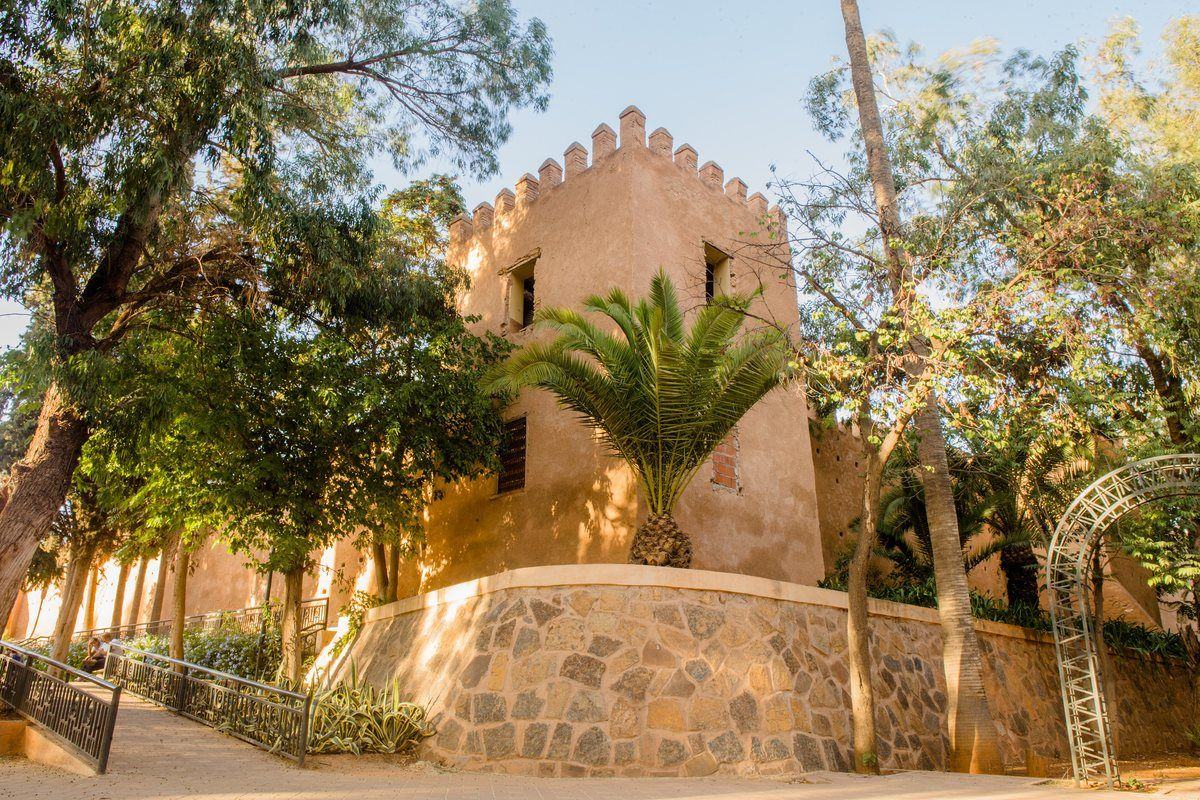
We organise southern itineraries, transfers and stays along the Atlantic great south — from Agadir and Laayoune to Dakhla — plus desert experiences and water sports logistics. Browse our Morocco tours or start from our Sahara and Merzouga guides — and tell us your dates.
Trip notes
Dakhla is built around the lagoon. Plan around the wind, book lessons with a licensed school, and keep a day for the White Dune or dragon island.
- Bring reef-safe sunscreen.
- Check wind forecasts.
- Respect kite zones.