Destinations
Oujda: Eastern Gem
By Morocco Explorers
8 min read
Oujda guide: the 13th-century gate and medina, the music city, Lalla Aicha park, and day trips to Saidia, the Beni Snassen and Figuig — Morocco's gateway to the east.

Oujda is the capital of eastern Morocco: a city founded in 994 where the Rif meets the eastern plain, with a Merinid gate, a working medina and a reputation for music. It is not a bucket-list city like Fes, but it is real, warm and useful: the base for Saidia's Mediterranean beaches, the Beni Snassen mountains and the extraordinary oasis of Figuig. Give it a day, or use it as the eastern hinge of a longer northern route; spring and autumn are best.
This guide covers the city and its region — written by the local team at Morocco Explorers.
Oujda has been a crossroads for a thousand years: a caravan stop between the Mediterranean, the Sahara and the Algerian plain, founded by the Zenata chief Ziri ibn Atiyya and fought over by dynasties for centuries. French troops entered in 1907, and the colonisers built a new city of broad avenues beside the old one — an east-meets-west layout you can read just by walking. Today it is a lively university city with excellent Andalusian music, good markets and far fewer tourists than the west of Morocco.
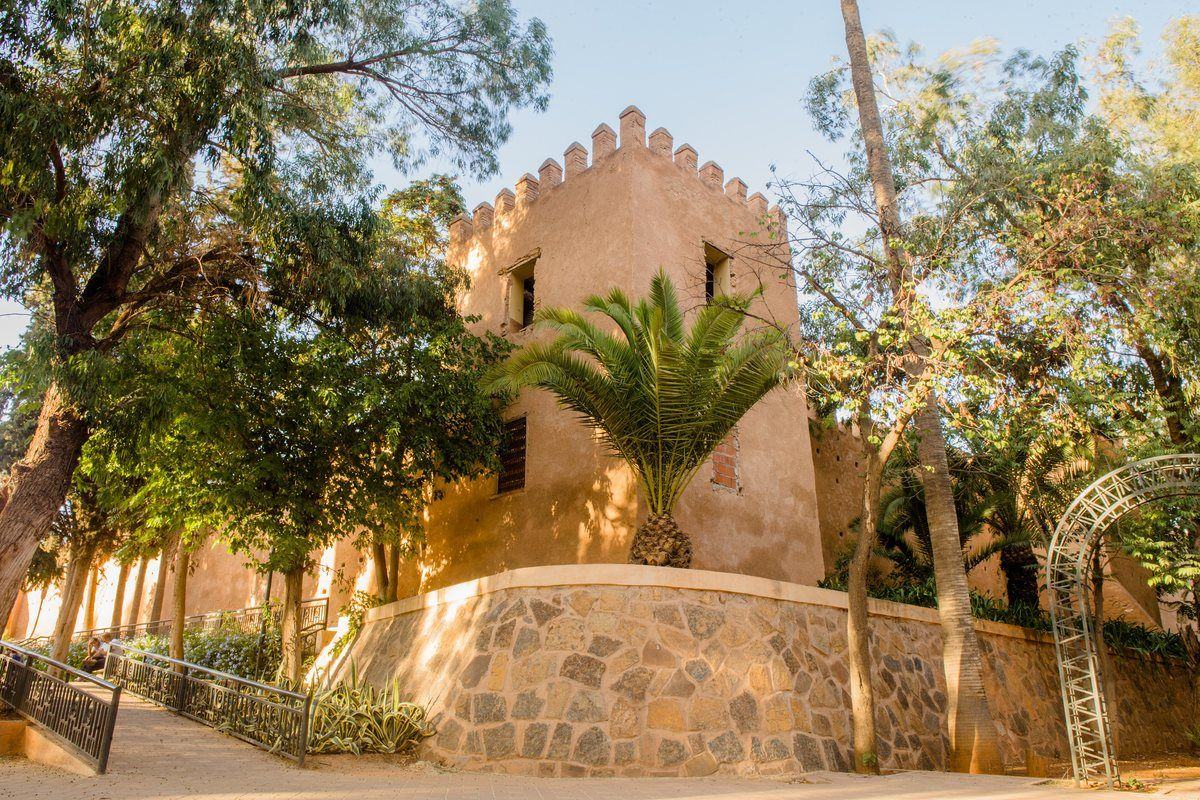
The gate, rebuilt in the Merinid era, opens onto the old town: the souk el Ma and the market streets, the Grand Mosque whose origins reach back to the city's early centuries, and the crafts and food stalls of a working medina. Wander without a plan; the old town is small and safe.
Outside the walls, the French-built centre has wide boulevards, cafés and civic buildings, while the city's green lung is the Lalla Aicha park — one of the largest urban parks in Morocco, with gardens, lakes and walking paths. It is where Oujda relaxes on a warm evening.
Oujda calls itself a city of music: the conservatory trains players of gharnati and classical Andalusian music, and concerts and festivals run through the year. Ask locally what is on — the cultural calendar is one of the city's best assets.
The city museum and the historic buildings of the old administrative quarters tell the story of the border city: caravan trade, the colonial period and the railway age. Oujda's station is a hub of the eastern line.
| Season | Weather | Notes |
|---|---|---|
| March–May | 18–26°C | Ideal: green hills, comfortable walking, almond blossom in the Beni Snassen |
| June–August | 30–38°C | Hot inland; the coast at Saidia is the escape |
| September–November | 20–30°C | Excellent: warm days, clear light, olive harvest |
| December–February | 10–18°C | Cool and occasionally wet; snow on the Beni Snassen peaks |
Summer is the season for Saidia's beaches; the city itself is best in spring and autumn, when the parks and the medina are at their most comfortable.
We organise private drivers and tours across northern and eastern Morocco — Fes, Oujda, Saidia and the Beni Snassen — plus the classic imperial cities routes. Browse our Morocco tours, start from our Tangier or Chefchaouen guides, or the 10-day imperial cities tour — and tell us your dates.
Oujda is a gateway to eastern Morocco. See the medina and ramparts, then use the city as a base for Saidia or the Beni Snassen mountains.
Yes, if you like real cities over monuments: the Merinid gate, a working medina, great music and the Lalla Aicha park. It is also the best base for Saidia's beaches, the Beni Snassen and Figuig.
Its history as the capital of eastern Morocco, the 13th-century Bab Sidi Abdelwahab gate, its Andalusian music tradition and conservatory, and its position near the Mediterranean coast and the Algerian border.
By train from Fes in about five hours on the ONCF eastern line, by plane to Oujda Angad airport (OUD) with European links, or by the A2 motorway by car or bus.
The border just east of the city has been closed since 1994, so Oujda is a terminus rather than a crossing. Check the current situation before planning any travel involving Algeria.
Saidia and its Mediterranean beach about an hour north, the Beni Snassen mountains and Zegzel gorges near Berkane, and the remote palm oasis of Figuig far to the south.
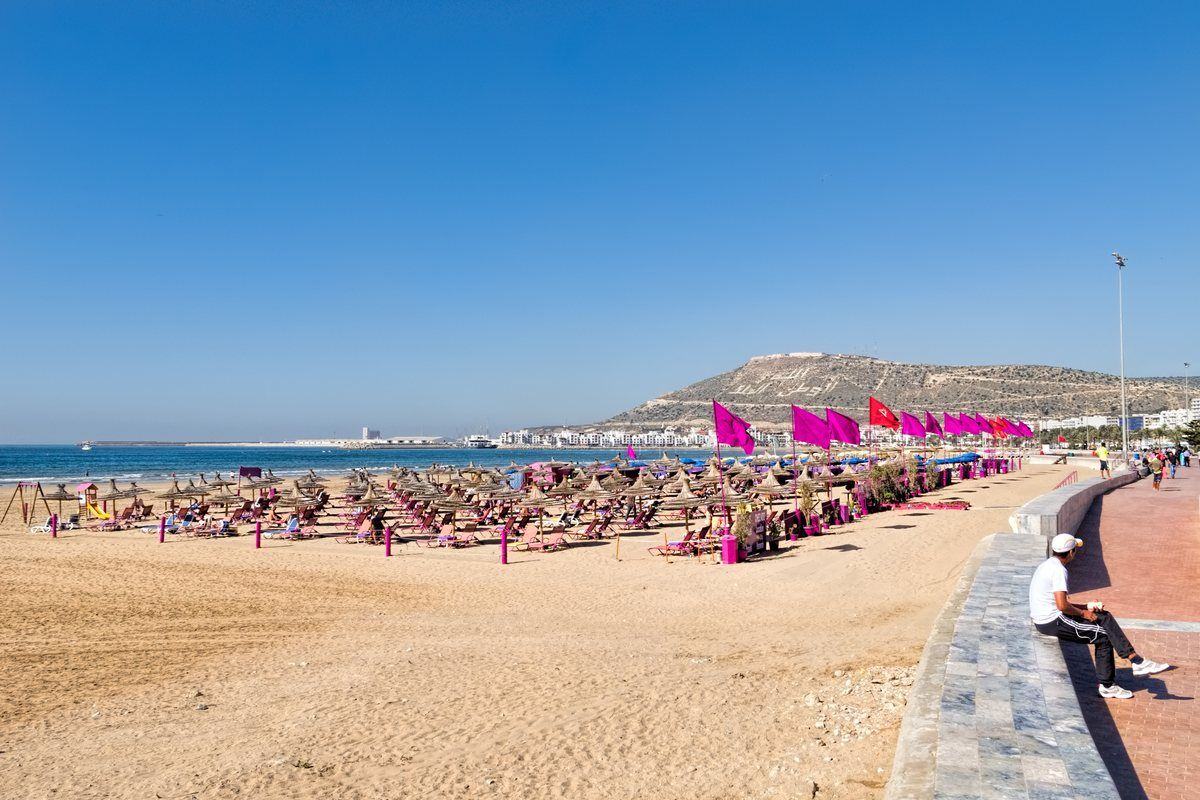
Yes — about 60 km north, roughly one hour by road. Saidia is the Mediterranean resort of the east, with a long fine-sand beach, a marina and hotels, busiest in July and August.
March to May and September to November, with comfortable temperatures of about 18–30°C. Summer is hot inland but ideal on the Saidia coast, and winter is cool with rain and mountain snow.
One day covers the medina, the gate and the park. Two days add the modern city and its cafés at leisure, and three let you combine the city with a day at Saidia or the Beni Snassen.
Hero photo: Farajiibrahim · CC BY-SA 4.0 · Wikimedia Commons