Destinations
Ifrane: Little Switzerland
By Morocco Explorers
8 min read
Ifrane travel guide: the alpine-style town in the Middle Atlas, cedar forests and Barbary macaques, Michlifen snow, lakes and how to visit from Fes or Meknes.

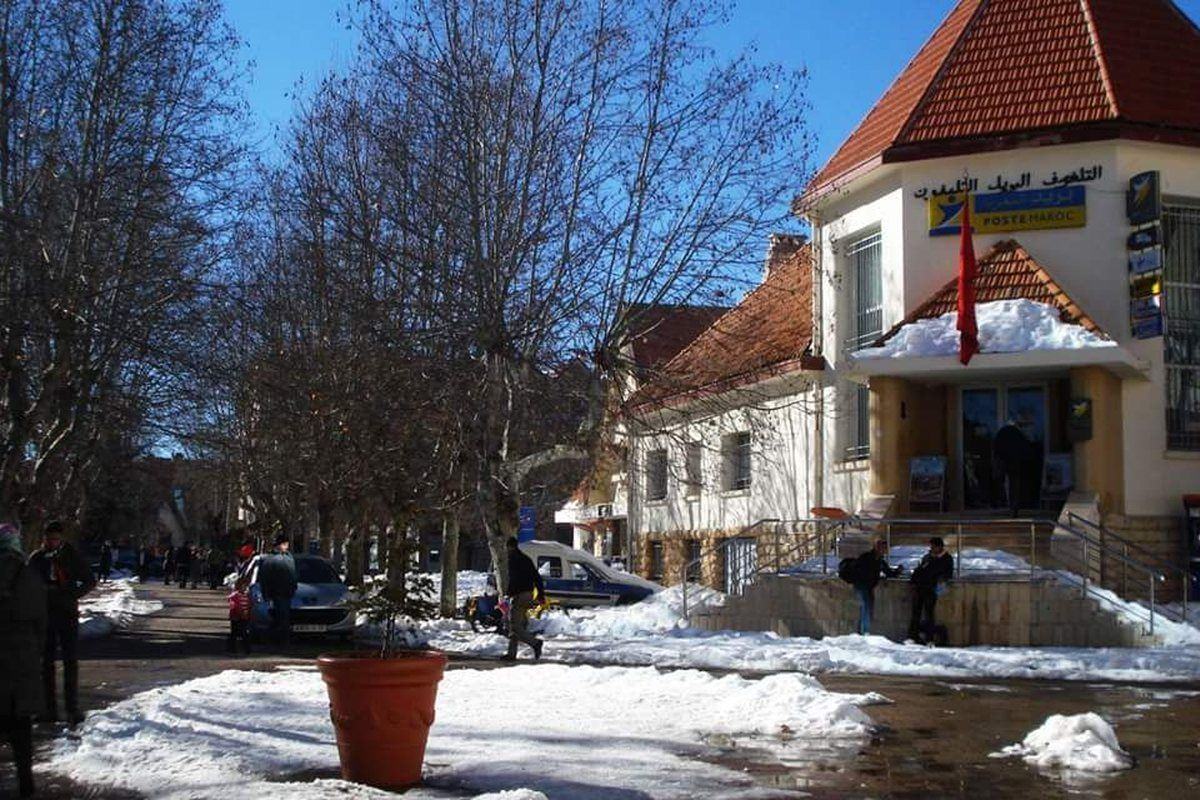
Ifrane is a slice of alpine Europe dropped into the Middle Atlas: a small town of red-roofed stone chalets at around 1,660 metres, built by the French in the 1930s as a mountain retreat and still the coolest place to escape the Moroccan summer. In winter it snows, and the nearby slopes of Michlifen draw families from Fes and Casablanca. Come for half a day or a full day — the cedar forest and its monkeys are half an hour away.
This guide covers what to see, when to go and how to combine Ifrane with Fes or Meknes — written by the local team at Morocco Explorers.
Morocco is full of heat and dust; Ifrane is neither. The town was designed as a climate resort, with wide clean streets, gardens and houses that could belong in the Alps. It has been a university town since Al Akhawayn was founded here in 1995, which keeps it lively with students and cafés. Around it, the Middle Atlas offers cedar forests, freshwater lakes and hiking that most visitors to Morocco never see.
Ifrane's emblem is the stone lion near the main square — sculpted, it is said, by a German prisoner of war, and now the town's photo stop. Wander the centre from there: the pitched-roof villas, the gardens and the café terraces are the attraction itself.
Morocco's English-language university sits on a green campus at the edge of town, with Andalusian-style buildings and gardens. The campus is not a tourist site, but its setting is part of the Ifrane picture.
Around Ifrane lie several natural lakes — Dayet Aoua, Dayet Hachlaf and Dayet Ifrah among them — fringed with cedars, popular for picnics and easy walks. Dayet Aoua, on the road towards Fes, is the easiest to reach.
Twenty minutes south, the cedar forest around Azrou is the largest in Morocco, with giant Atlas cedars and the mischievous Barbary macaques that live among them. The famous Cèdre Gouraud is the oldest and biggest of them all. Below the forest, Azrou is a friendly Berber market town worth an hour.
From December to February, snow covers Ifrane and the higher slopes. Michlifen, a short drive above town, has Morocco's oldest ski station, with simple runs and a ski lift that operates when conditions allow. Do not expect an alpine resort — some winters have little snow — but for a weekend of snowball fights, hot chocolate and sledging, it is a genuine Moroccan winter. Check road conditions before driving up in a storm.
Ifrane sits on the classic Fes–Meknes–desert route: see our Fes guide and Meknes guide, or the 7-day imperial cities tour from Fes and its 10-day version.
| Season | Weather | Notes |
|---|---|---|
| March–May | 10–22°C | Green meadows, wildflowers and running water; snow may linger in March |
| June–August | 22–30°C | The cool escape: warm days, cold evenings, cedar shade |
| September–November | 10–24°C | Golden forest, clear light, first frosts by November |
| December–February | −2–10°C | Snow and occasional ice; bring real winter clothes |
Ifrane is high: even in summer, evenings demand a jacket. In winter, check forecasts and drive only with appropriate tyres or chains in snowy weather.
We organise private drivers, winter weekends in Ifrane and the classic loop from Fes through Azrou and the cedar forest towards the desert. Browse our Morocco tours, start from the Atlas guide or our Atlas mountains guide — and tell us your dates.
Ifrane feels alpine. Visit the lion statue and the centre, then drive to Michlifen or the cedar forest; winter snow can close roads.
Yes, especially as a break from the heat or a taste of alpine Morocco: the chalet-lined centre, the cedar forest with Barbary macaques nearby, and snow in winter. It works as a half-day stop or a relaxed weekend from Fes.
Because of its alpine-style stone chalets with steep red roofs, its gardens and its mountain setting at about 1,660 metres in the Middle Atlas — and because it regularly sees snow in winter.
Yes — Ifrane is one of the few Moroccan towns with regular winter snow, usually between December and February. Snowfall varies by year; check the forecast before planning a snow weekend.
Michlifen, above the town, has Morocco's oldest ski station with simple slopes and a lift when conditions allow. Snow cover is not guaranteed, so treat it as a bonus rather than a ski holiday.
By car or bus on the N8 road, about 60 km south — roughly one hour. There is no train to Ifrane; the nearest stations are Fes and Meknes.
The cedar forest around Azrou, about twenty minutes south of Ifrane, is home to wild Barbary macaques, especially around the Cèdre Gouraud. Do not feed them — they are wild and can bite.
The stone lion, the cedar forest and its monkeys, the lakes for picnics, sledging and snowball fights in winter, and easy walks around town. It is one of the most child-friendly stops on the Fes route.
Half a day covers the town centre and the lion, with time for a café. A full day adds the cedar forest, Azrou and a lake. A weekend makes the most of the cool air or the snow.
Hero photo: GuHKS · CC BY-SA 4.0 · Wikimedia Commons