Destinations
Meknes: The Imperial City of Moulay Ismail
By Morocco Explorers
7 min read
Meknes travel guide: Bab Mansour, Heri es-Souani, the mausoleum of Moulay Ismail, the medina, plus Volubilis and Moulay Idriss — the quietest imperial city.

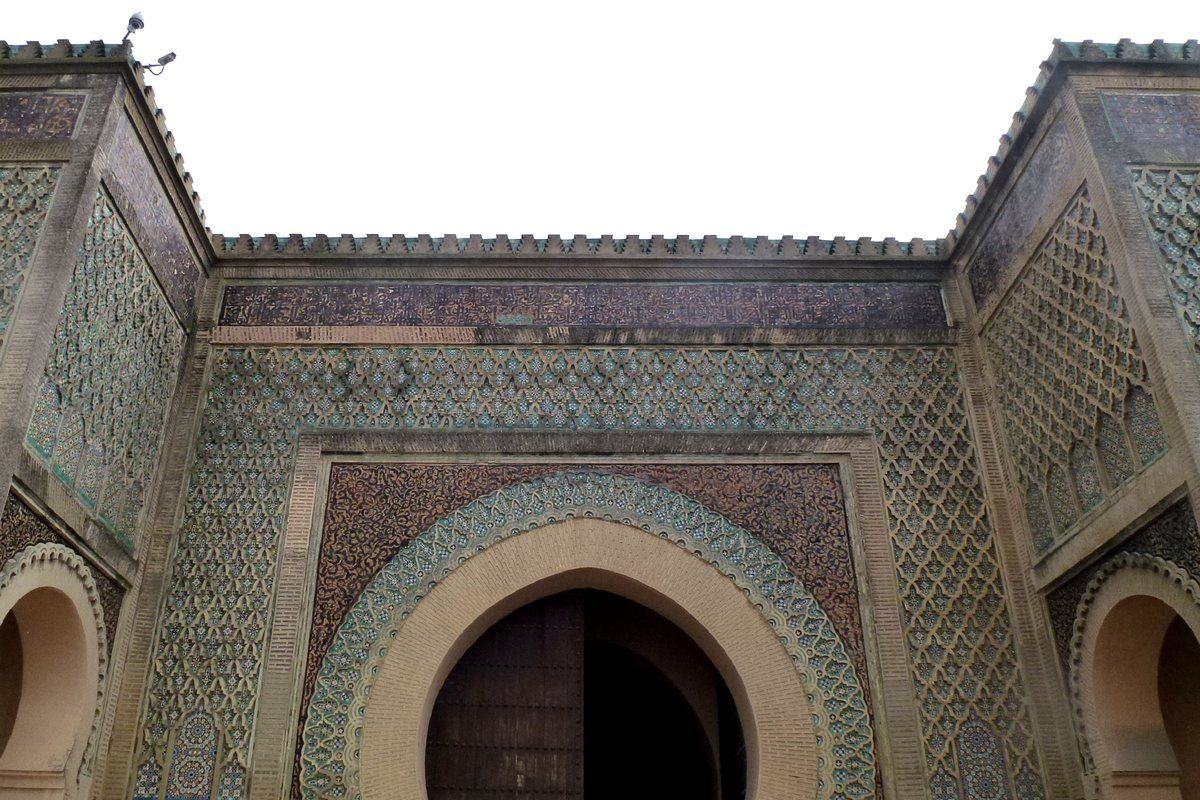
Meknes is the imperial city that Morocco forgot to crowd: the 17th-century capital of Sultan Moulay Ismail, with the monumental gate of Bab Mansour, granaries built for twelve thousand horses and a royal mausoleum still guarded daily — all classed by UNESCO. It sits 40 minutes from Fes, which makes it the easiest imperial city to visit, together with the Roman ruins of Volubilis. One day (or a half day) is enough; March to May and September to November are best.
This guide covers Meknes and its neighbours — written by the local team at Morocco Explorers.
When Moulay Ismail made Meknes his capital in 1672, he set out to build a Moroccan Versailles: 40 kilometres of walls, palaces, mosques, gardens and the largest granary complex in North Africa. After his death the capital returned to Fes and Meknes lost its importance — which is why today you walk through monumental architecture with far fewer visitors than Marrakech or Fes.
The gate faces Place El Hedim, the lively square between the medina and the imperial city. Late afternoon is the best time: the square fills with food stalls and the gate glows in low light.
Walk or take a horse-drawn calèche to Heri es-Souani, the stone granaries with vaulted roofs and a system of wells that kept grain cool for years. Beside it, the Bassin de l'Agdal — a vast reservoir fed by a 10-kilometre canal — is the place to watch the sunset.
The royal necropolis is entered through courtyards of carved plaster and marble; non-Muslims may visit the outer halls, and the atmosphere is quiet and ceremonial. Dress modestly.
Meknes has its own Bou Inania Madrasa, a fine Marinid building, and souks that specialise in olives, carpets and djellabas. The El Hedim area and the covered souks are refreshingly untouristed.
Thirty kilometres north, Volubilis is the Roman capital of Mauretania Tingitana, with mosaics, a triumphal arch and olive presses. Above it sits the holy town of Moulay Idriss Zerhoun, founded by the great-grandson of the Prophet and an important pilgrimage site.
| Season | Weather | Notes |
|---|---|---|
| March–May | 17–26°C | Best overall: mild days, green hills, wildflowers at Volubilis |
| June–August | 30–40°C | Hot and dry; visit early morning and late afternoon |
| September–November | 20–30°C | Excellent: olive harvest, clear light, comfortable walking |
| December–February | 10–18°C | Cool and sometimes rainy; the monuments are quiet |
Meknes slots naturally into a Fes-based itinerary: see our 7-day Imperial Cities tour from Fes and the 10-day version, or browse all Morocco tours. Read our Fes guide if that is your base.
Meknes is quieter than Fes. See Bab Mansour, the granaries and Volubilis, and enjoy a relaxed lunch in the medina.
Yes, especially combined with Volubilis. Meknes has the monumental gates and granaries of an imperial capital, a fine medina and Morocco's best Roman ruins nearby, with a fraction of the crowds of Fes or Marrakech.
Half a day covers Bab Mansour, the mausoleum and Heri es-Souani. A full day adds the medina and the Roman site of Volubilis with the hill town of Moulay Idriss.
Yes — non-Muslims may enter the outer courtyards and halls of the mausoleum, one of the few royal necropolises in Morocco open to all visitors. Modest dress is required.
The train takes about 40 minutes and runs frequently throughout the day; by road it is about an hour. Meknes is the easiest day trip from Fes and also stops on trains between Fes and Rabat or Casablanca.
Yes — Volubilis is 30 km north of Meknes, about 30 minutes by car. The Roman city has mosaics, a basilica, a triumphal arch and olive presses, and pairs well with the pilgrimage town of Moulay Idriss above it.
Meknes is known as the imperial city of Sultan Moulay Ismail, for the gate of Bab Mansour, the Heri es-Souani granaries and stables, and for olives and olive oil — the surrounding region is Morocco's olive and wine country.
March to May and September to November, with mild temperatures of 17–30°C. Summers are hot and dry (30–40°C) and winters cool, so spring and autumn are the most comfortable for walking between monuments.
Meknes is smaller, calmer and far less touristy, with a compact imperial core. It lacks the vast medina maze of Fes, but the architecture is equally monumental and the experience is more relaxed — best as a half- or full-day visit.
Hero photo: Hiroki Ogawa · CC BY 3.0 · Wikimedia Commons